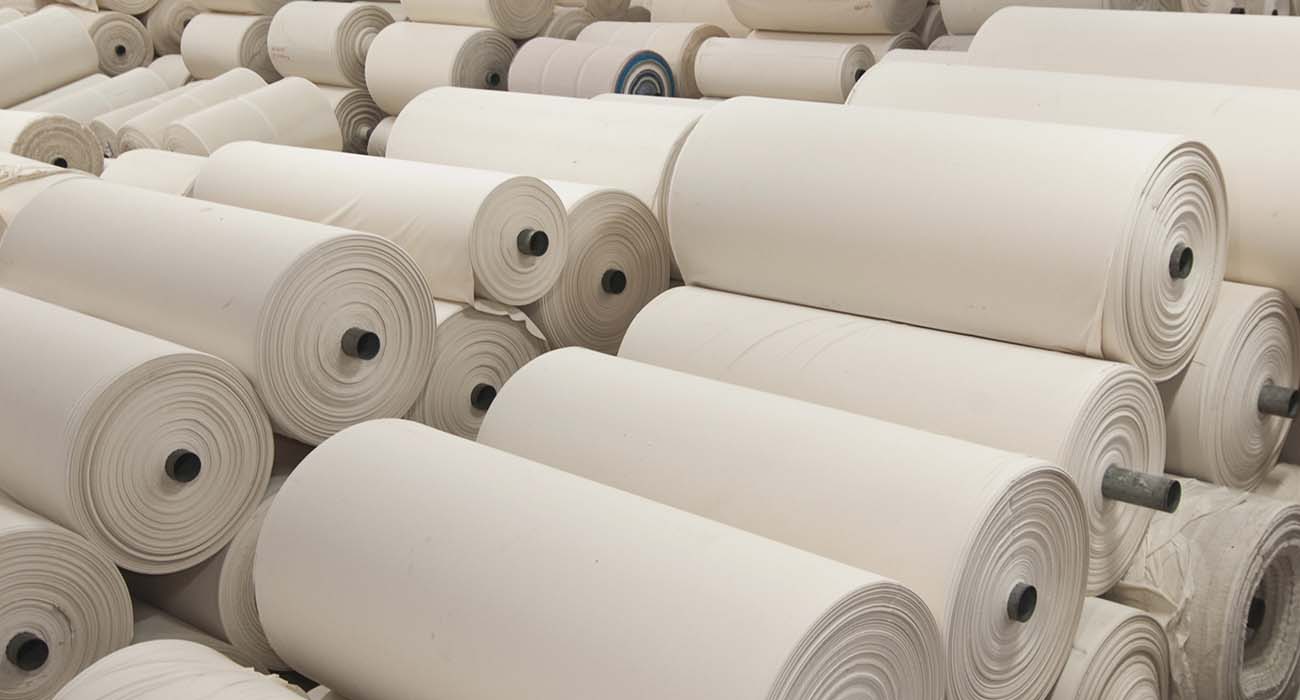
Fabric Kasar
Various finishing processes are applied during the preparation of textile products. This is defined as a pre-treatment process applied to clean and bleach products that are primarily intended for use in white. Textile materials contain natural dyes within their fibres that can give them a yellowish appearance. These substances can prevent the product from appearing white.
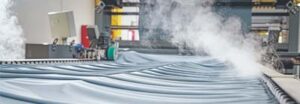
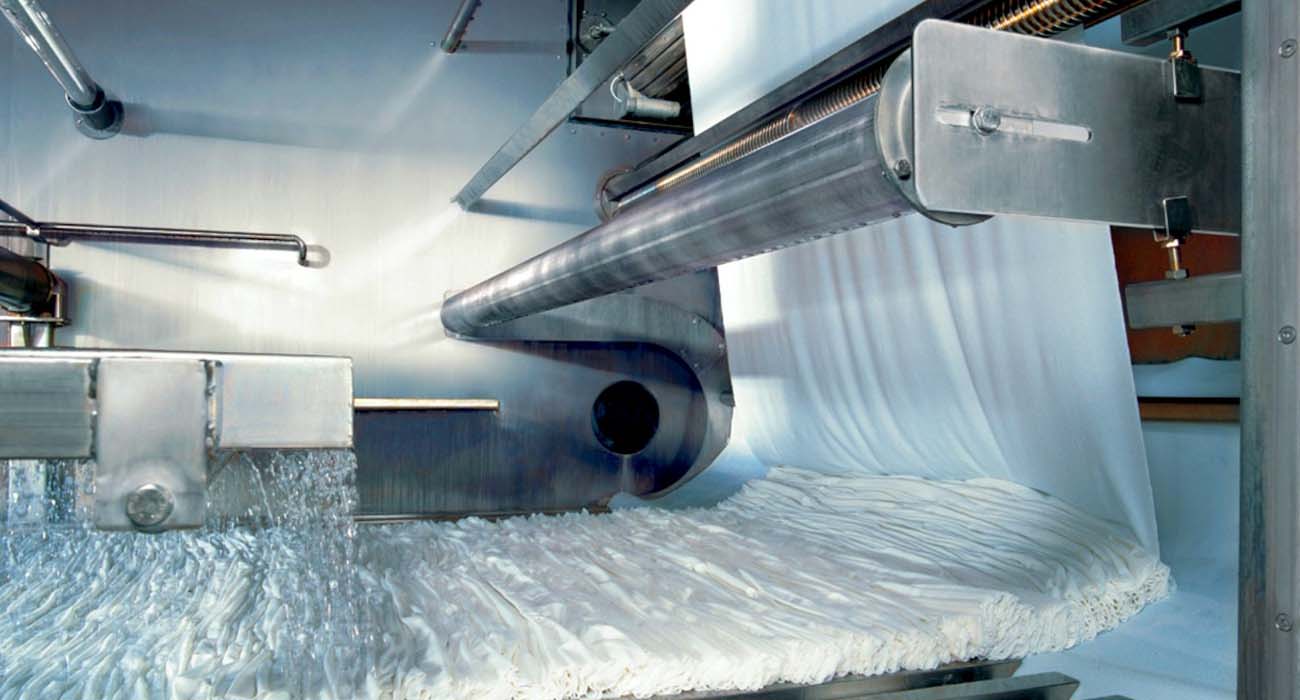
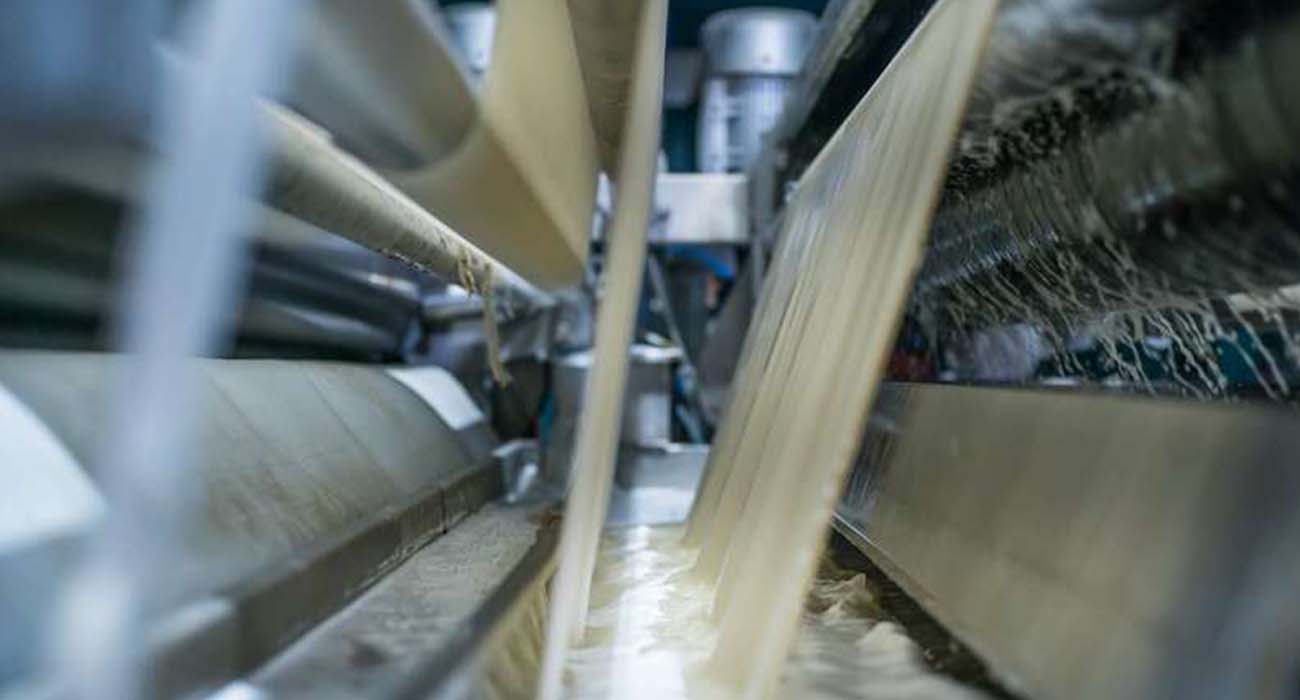
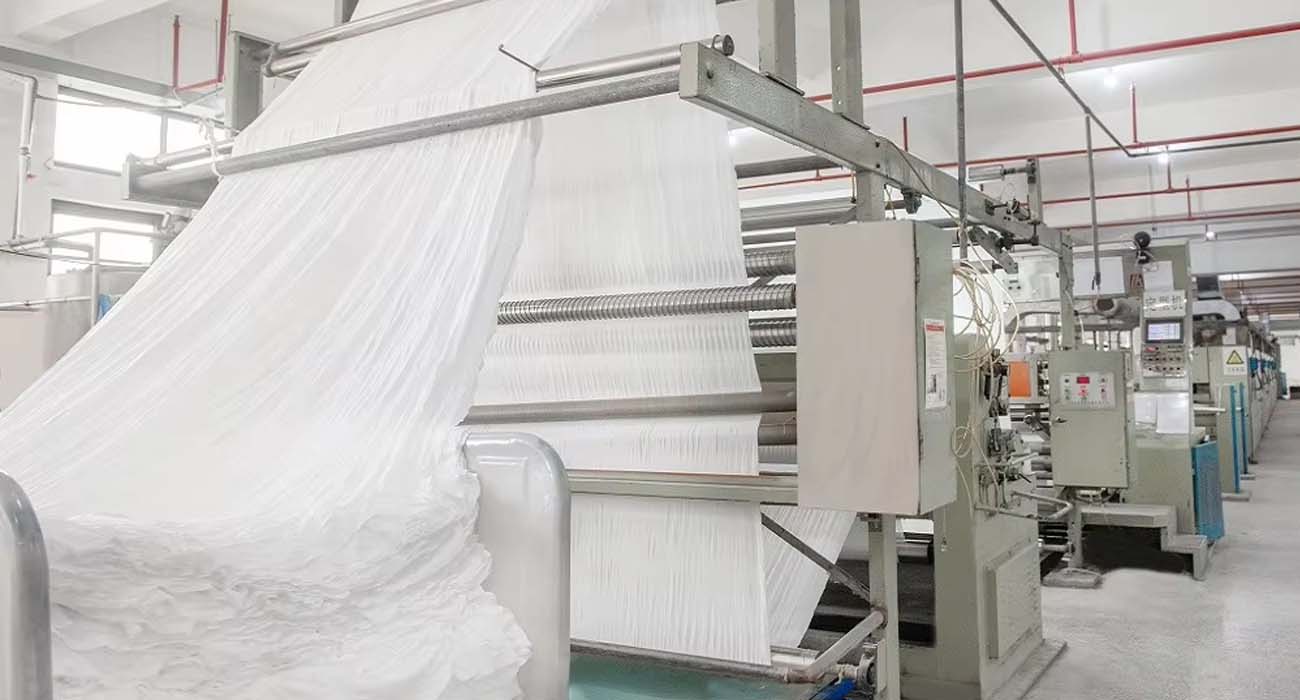
Through fabric scouring processes, all residues—such as cocoons and seeds—present in cotton yarns are removed. These residues can impair the softness of the cotton fibres and affect their appearance. Through the processes we carry out on jet machines, all impurities on the raw fabric – such as oil, dirt and paraffin – are removed using chemicals, and the fabric is bleached.
Why is fabric scouring carried out?
In the case of cotton fabrics, scouring processes are carried out to remove all undesirable impurities and ensure the fabric possesses the desired properties. Cotton yarns may contain various natural oils, leaf fragments and seed residues.
In the case of untreated cotton textile products, scouring processes are carried out to remove residues and eliminate factors that would cause defects in the appearance of the fabric.
To ensure that cotton fabrics look smoother and to rectify any colour irregularities that may arise, all stages of the process are carried out on our specialised machines using specific settings.
What is the fabric scouring process?
The bleaching and boiling stages carried out to prepare white fabric products for use in various sectors prior to dyeing, printing and finishing are referred to as ‘fabric scouring’. This is a general term for the pre-treatment processes carried out on fabric products, and we carry out these processes professionally.
The primary purpose of the process is to remove any yellowish tints that may form in cotton yarns and to eliminate various unwanted impurities trapped within the yarn structure. Once the scouring processes have been applied to raw cotton fabrics, the products are considered to have undergone all the necessary pre-treatment processes for subsequent stages.
The Importance of Fabric Bleaching
As raw cotton fabrics contain natural dyes, there is always a high likelihood of them having a yellowish tinge. These natural dyes prevent the fabrics from appearing white. Fabric scouring and bleaching processes are carried out. During these processes, tiny particles—such as oil, dirt and cocoon fragments—that are adhered to the cotton fibres and are too small to be seen even with the naked eye are removed.
The importance of fabric bleaching lies in removing various impurities from the yarn fibres and ensuring that the yarn appears whiter. Fabric bleaching, or fabric scouring, is an essential and important process in the finishing of textile products.
Fabric Sizing Methods
Various methods are used in fabric bleaching processes. The methods employed vary depending on the desired degree of whiteness. The bleaching machines we use ensure that the processes are carried out more safely, depending on the type of fabric. Fabric bleaching processes are carried out using both the extraction and the soaking methods.
The properties of the bleaching agents to be used in the bleaching process are selected according to the structure of the fibres. Hydrogen peroxide is the most commonly used agent in the bleaching of fibres. This agent ensures that the desired and beneficial effects are achieved. Hydrogen peroxide is capable of achieving the desired degree of bleaching at all temperature levels.